
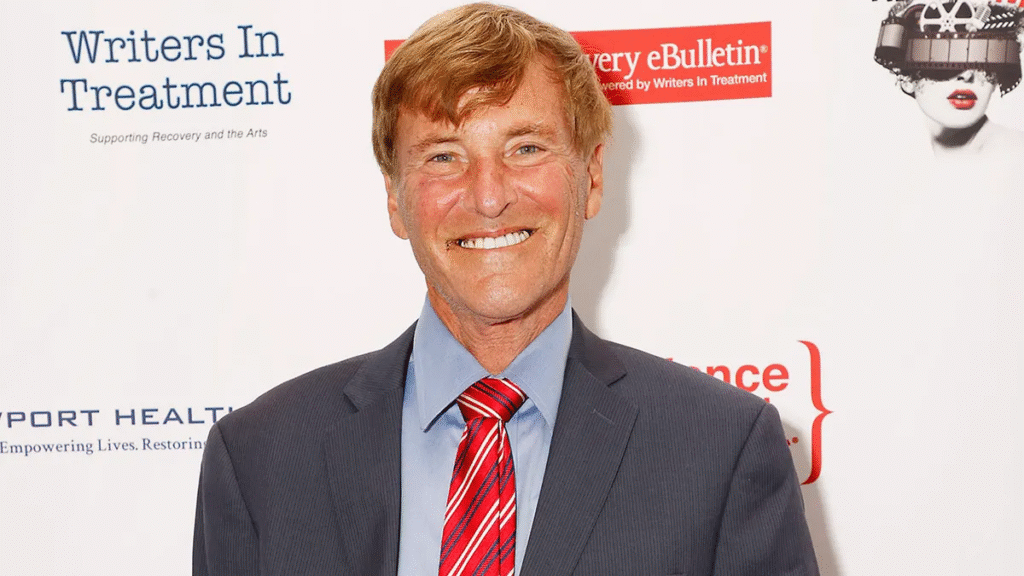
Leigh Steinberg, the sports agent whose life heavily inspired the blockbuster film Jerry Maguire, remains a dominant force in the world of professional sports, representing top-tier talent and navigating the ever-evolving landscape of the NFL and beyond.
The Quarterback-Centric Game

While acknowledging the fictional nature of Jerry Maguire, Steinberg affirms that his agency still operates with the same core philosophy, now applied to star clients like Patrick Mahomes, Tua Tagovailoa, and Taylor Heinicke. In today’s NFL, Steinberg emphasizes, the game is “quarterback-centric.” He notes the near impossibility of a team making the playoffs or reaching the Super Bowl without a “franchise quarterback”—someone who can elevate their play and remain composed during critical, high-pressure situations.
The Patrick Mahomes Phenomenon
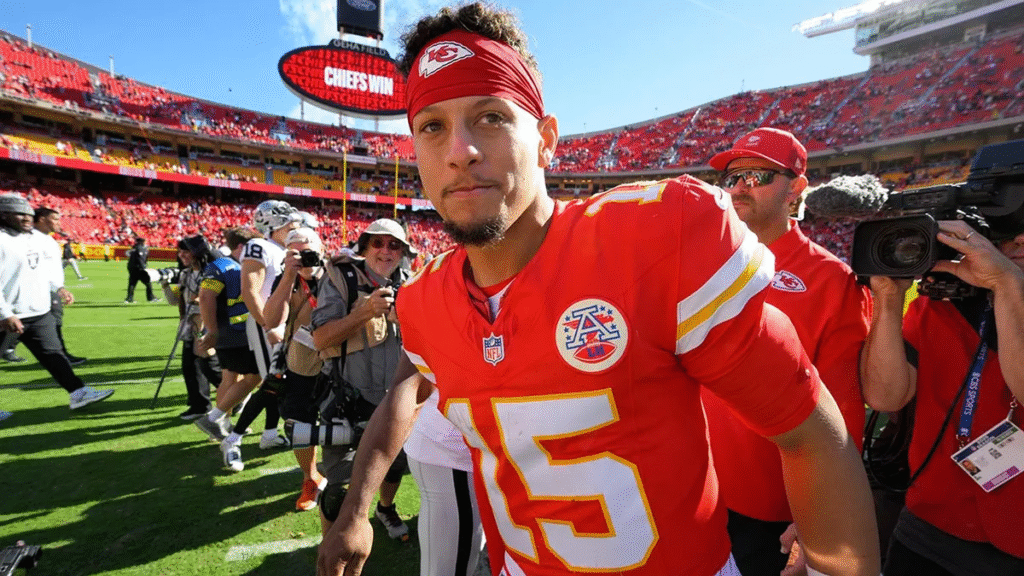
Steinberg recognized early on the unique qualities that would propel Patrick Mahomes to stardom. Beyond his “ridiculous” arm talent, Mahomes possesses a blend of high intellect, genuine compassion for others, and the crucial ability to “stay in the zone” and remain calm, enabling him to consistently rise to the moment in a crisis.
Mahomes’ upbringing as a second-generation athlete also gave him an innate edge. Growing up around baseball stars like A-Rod and Derek Jeter, Mahomes internalized the necessary preparation, hard work, and the ability to maintain an even keel, preventing adulation from interfering with his process.
Steinberg draws a compelling comparison between Mahomes and Magic Johnson, seeing in both an ambition that transcends the field. They represent a new generation of athletes who view themselves as businessmen, owners, and entrepreneurs, actively seeking equity in endorsed businesses and pursuing “second careers” during the offseason.
A Pioneer’s Legacy: The Warren Moon Story
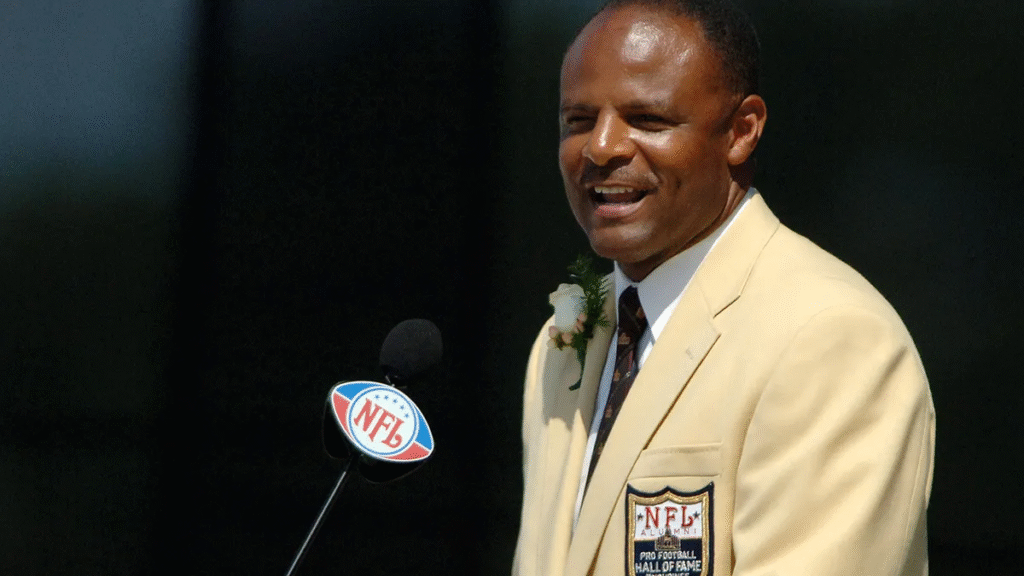
Steinberg reflected on the pioneering career of former client Warren Moon, highlighting the significant “racial stereotypes” he had to overcome. When Moon emerged in 1978, there was prejudice regarding the intellectual capacity of African-American quarterbacks for the position. Attempts were made to switch him to wide receiver or running back. Moon’s decision to play in Canada for six years ultimately allowed him to enter the NFL as a free agent, securing the highest-paid contract at the time and establishing a 17-year career.
Moon’s high achievement served as a critical breakthrough, paving the way for the current wave of diverse talent, including multiple Black NFL MVPs like Patrick Mahomes and Lamar Jackson, and Super Bowl winners. This success has led to a “very healthy diversity” at the position, extending even to backup quarterback roles—a development that was unimaginable in earlier eras.
The Business of Endorsements
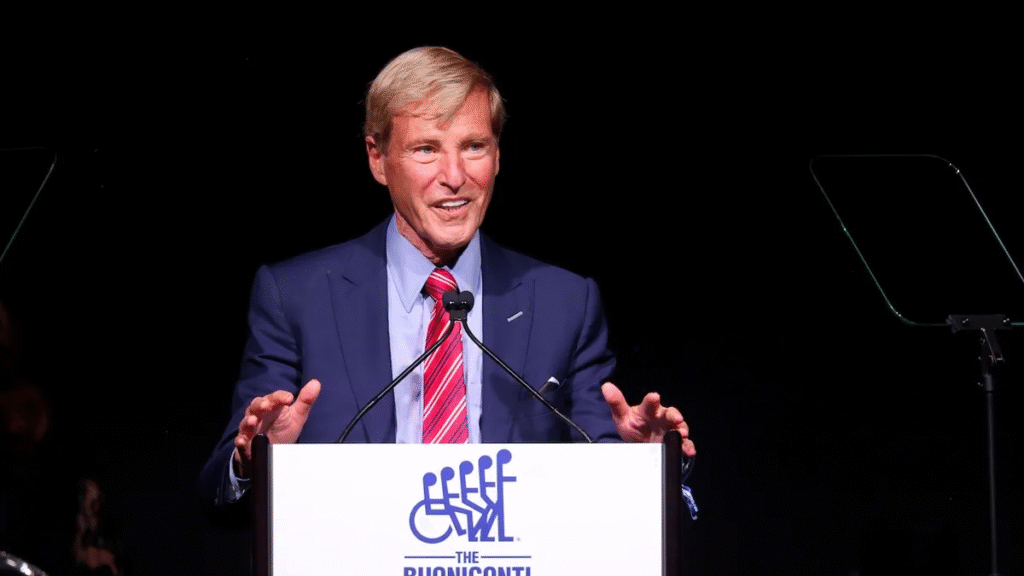
The agent’s work extends beyond the football field into other sports, including basketball. Steinberg was drawn to basketball in 1992 after finding a strong role model in Greg Anthony, a lottery pick for the New York Knicks. He later represented players like John Starks and negotiated a contract for Byron Scott.
Steinberg shed light on the massive disparity in endorsement deals between basketball and football, recalling a conversation with Nike’s Phil Knight. Knight explained that basketball is a superior endorsement sport because the shoes players wear can be clearly seen and worn by the public in real life. However, certain athletes, like Michael Jordan and now Patrick Mahomes, can transcend their sport. Steinberg argues that a player’s fame can become so widespread through ubiquitous, high-quality commercials that they become a household name known to the vast majority of the public, regardless of whether they watch the sport.
The NIL and Social Media Era

Looking to the future, Steinberg acknowledges the transformational role of social media and Name, Image, and Likeness (NIL) policies. Today’s “currency in terms of recognition” is followers on platforms like Instagram and TikTok, enabling athletes to market themselves and establish a brand at a very early age. This new generation of athletes is “much hipper,” growing up with the tools to master content creation, monetize their brand, and develop multiple revenue streams.Despite his decades of success—representing 64 first-round draft picks and numerous NFL Pro Bowl players—Steinberg humorously admits to a few missteps, including choosing to represent Ryan Leaf over Peyton Manning and passing on cyclist Lance Armstrong. He also touched on the global icon status once achieved by athletes like Muhammad Ali, Tiger Woods, and Michael Jordan, noting that widespread global popularity is more challenging for American football players compared to those in worldwide sports like basketball or soccer.