
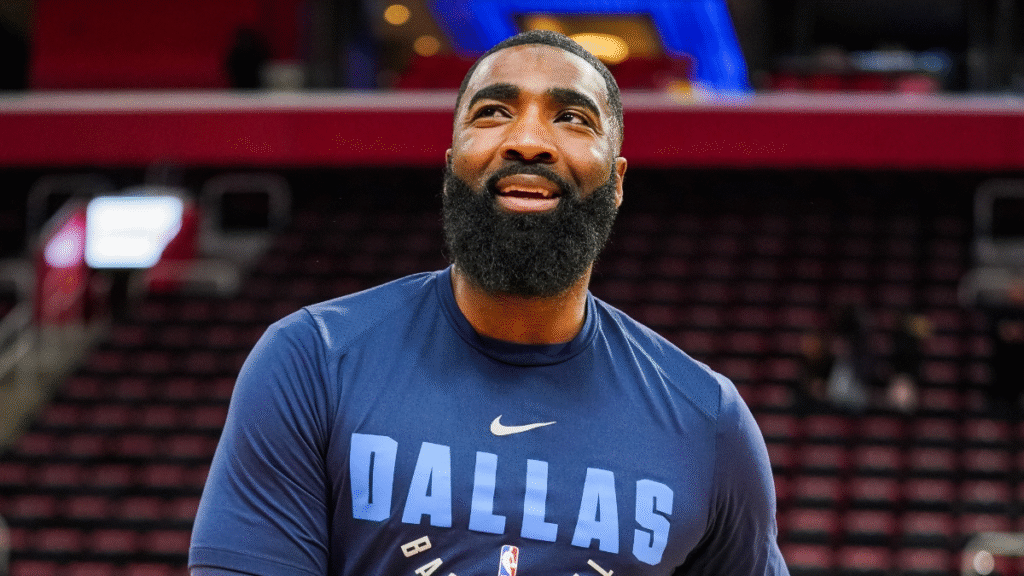
For Orlando Magic assistant coach God Shammgod, the journey through basketball has transcended the typical narrative of an NBA career. Drafted by the Washington Wizards (then the Bullets) in 1997, Shammgod’s time in the league was brief, derailed by injury. Yet, as he explains, his impact on the game and on culture has become “more famous-er” than that of many Hall of Famers.
“Today I’m more famous than people that played in the NBA for 20 years,” Shammgod reflects, a statement he makes not out of arrogance, but as a realization of a long-ago manifested destiny. “I’d rather inspire people than be a Hall of Famer personally.”
The Harlem Renaissance and a Legendary Name
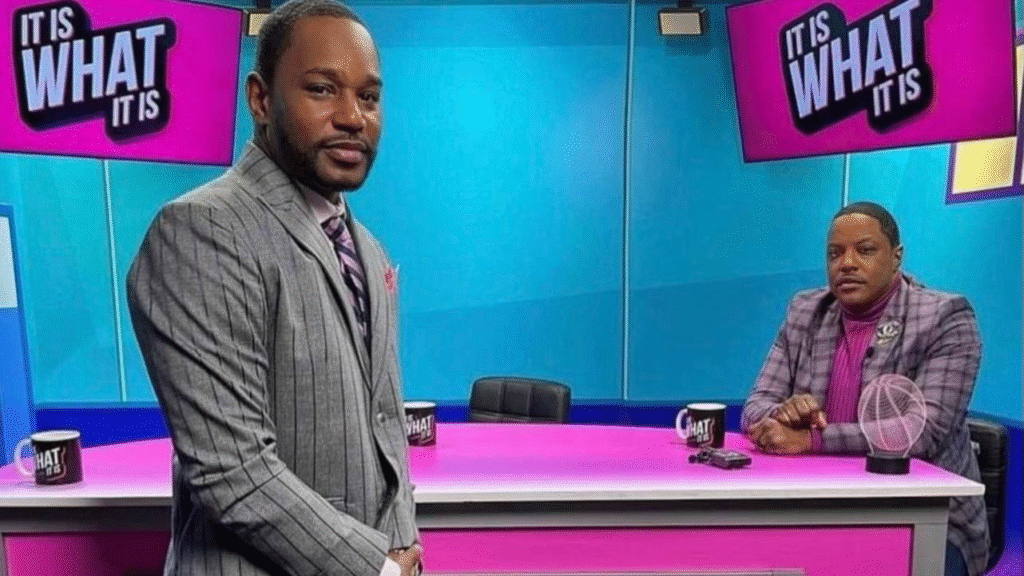
Shammgod’s roots are deep in New York City basketball and its interconnected music scene. Moving from Brooklyn to Harlem at age eight, he was immersed in a rich environment. “I grew up in a rich basketball place,” he says, detailing his youth alongside future rap superstars like Mase and Cam’ron, as well as other legendary figures like Alimoe (“Black Widow”).
“I touched every genre of what you want to call the ‘famous status’ or ‘celebrity status’,” Shammgod notes, a testament to growing up in an era where basketball, rap, and street life were inextricably linked.
His unforgettable name, God Shammgod, was another key part of his life’s trajectory. Taught at age 16 that his name means “savior to thy self while is worthy of greatness,” he was told by his mother to “Make sure they remember it for your greatness…” He realized, with a laugh, “you’d BETTER become something because your name is gonna last whether you like it or not forever.”
The Basketball Forrest Gump
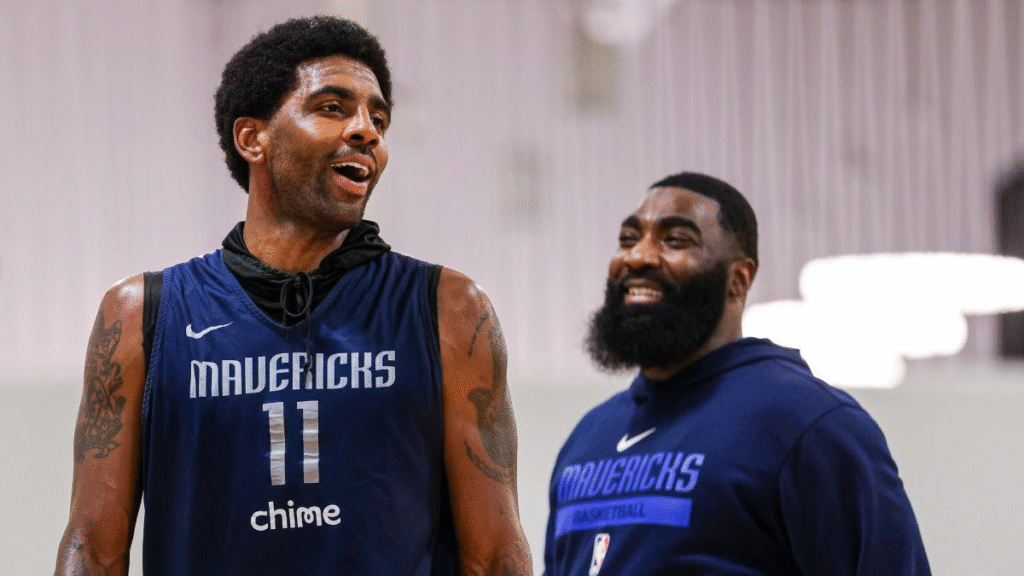
Shammgod often refers to himself as the “basketball Forrest Gump,” given the incredible connections and scenarios he’s been a part of. His path includes:
- Early Mentors: The first person he played serious basketball for was Hall of Famer Nate ‘Tiny’ Archibald, whom he didn’t even recognize at the time.
- The Best Class Ever: Shammgod played in the 1995 McDonald’s All-American Game, a legendary class that included Kevin Garnett, Vince Carter, Paul Pierce, Antawn Jamison, Chauncey Billups, and Stephon Marbury. Shammgod asserts their class was superior to the 1996 class, which included Kobe Bryant, saying, “We had EVERYTHING that you could possibly want!”
- A Move That Lasts: Attending Providence College, he helped lead the team on a deep run in the NCAA Tournament, perfecting the move that would become his signature: “The Shammgod” crossover.
From Adversary to Mentor: The Kobe Connection
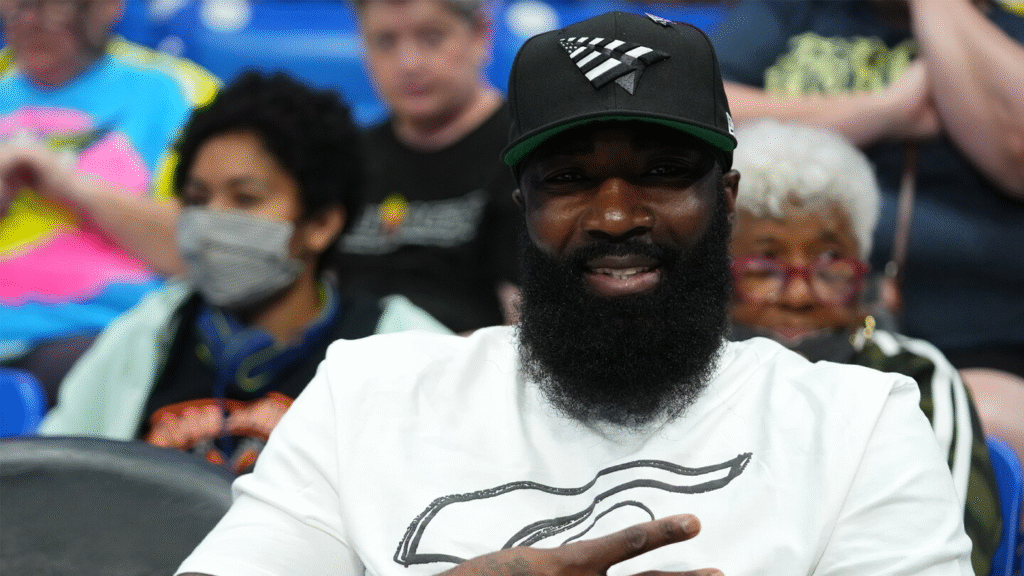
While playing in the 1995 McDonald’s game cemented his status, his relationship with Kobe Bryant is a powerful example of Shammgod’s lifelong connection to the game’s elite. He first met a young Kobe at the ABCD Camp in 11th grade.
“He came in the gym and he walked like Jordan, talked like Jordan, chewed gum like Jordan,” Shammgod recalls, noting that the young players initially disliked the “SUPER arrogant” newcomer. Despite the early clash of egos, the two formed a 25-year relationship. Their bond was so strong that before the tragic helicopter accident, Kobe flew Shammgod in to work with his daughter, Gianna.
The picture of Kobe, Gianna, and the others who passed away is still painful for Shammgod, as he notes, “everybody that passed away in that picture I was training everybody in the picture… the only person alive in that picture is me.”
The Art of Training and the Spark in the Brain
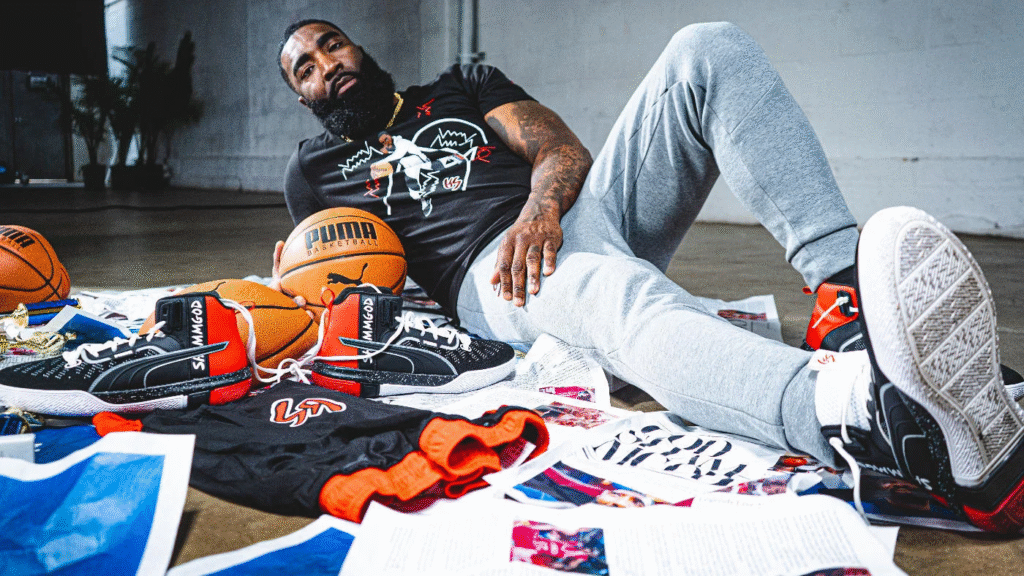
After his playing career, Shammgod returned to school to get his Master’s in Leadership before joining the NBA coaching ranks, eventually with the Dallas Mavericks and now the Orlando Magic.
His work with players like Dirk Nowitzki, Kristaps Porziņģis, Harrison Barnes, and particularly Luka Dončić, shows his philosophy. For a player like Dončić—whom Shammgod describes as a “Picasso”—the job isn’t to fundamentally change them, but to refine them.
Shammgod’s approach is to use film study, taking “clips of like, James Harden; clips of LeBron James and clips of Kyrie Irving” and showing Dončić how to adapt those bits and pieces into his own game. The goal is to “take the best out of everybody” and let the player turn it into art.
Ultimately, Shammgod views his role not just as a trainer, but as a spark: “Regardless of what happens if I’m not the best dribbler ever, I’m going to spark the brain of the best dribbler because in their arsenal they will always have to have ‘The Shammgod’ period.” His wide-dribble technique—a revolutionary move when he pioneered it—is a legacy he can proudly claim to have influenced generations of ball-handlers, including the likes of Allen Iverson, through his friend Dean Berry.
Shammgod remains grounded in his New York roots, navigating the world with equal respect from street legends, corporate executives, and NBA players. “This is not my story, this is where I come from,” he concludes. “This is a Harlem story, a New York story.”