
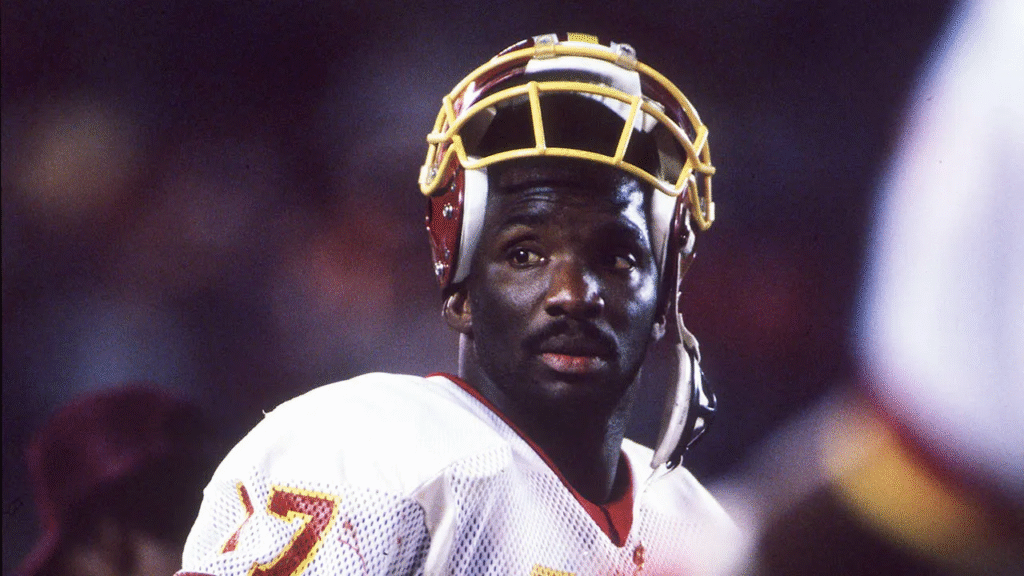
Quarterback legend Doug Williams, the first African-American quarterback to start and win a Super Bowl, offers a fascinating look back at his historic career, contrasting the NFC East of the 1980s with today’s game, discussing the mindset that fueled his record-setting Super Bowl performance, and drawing some unexpected NBA comparisons for the NFL’s current stars.
The NFC East: A “BEAST” Driven by the Run Game
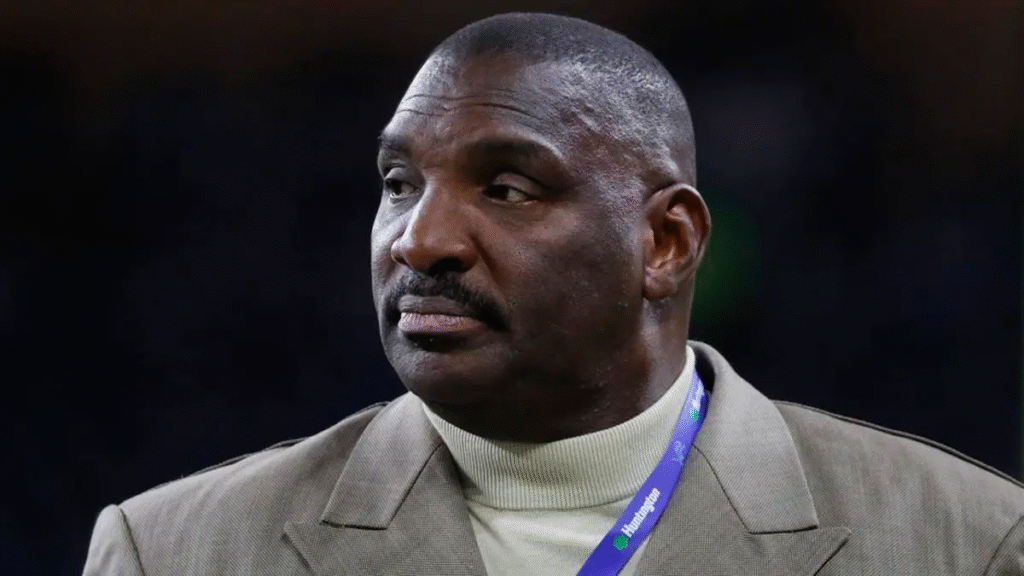
When Williams played for Joe Gibbs’ Washington Redskins in the 1980s, the NFC East was a different breed of football—one where the running game reigned supreme.
“Back when we were there in the 80’s, the East was THE BEAST! The East was exactly what it was,” Williams recalls. “If you could not run the football, you could forget about everything else. It was about who could run the football the best.”
Williams remembers Coach Gibbs’ philosophy centering on ground control: “Coach Gibbs used to always tell us, ‘If we gain 150 yards a game, we can control the game…'”
Today, the game is unrecognizable by that measure. “It’s not like that now; everything is a little more pass oriented,” he observes. While teams still want to run the ball, the emphasis has dramatically shifted to aerial attacks.
The Super Bowl Mindset: Not a “Black Quarterback,” But “THE QUARTERBACK”
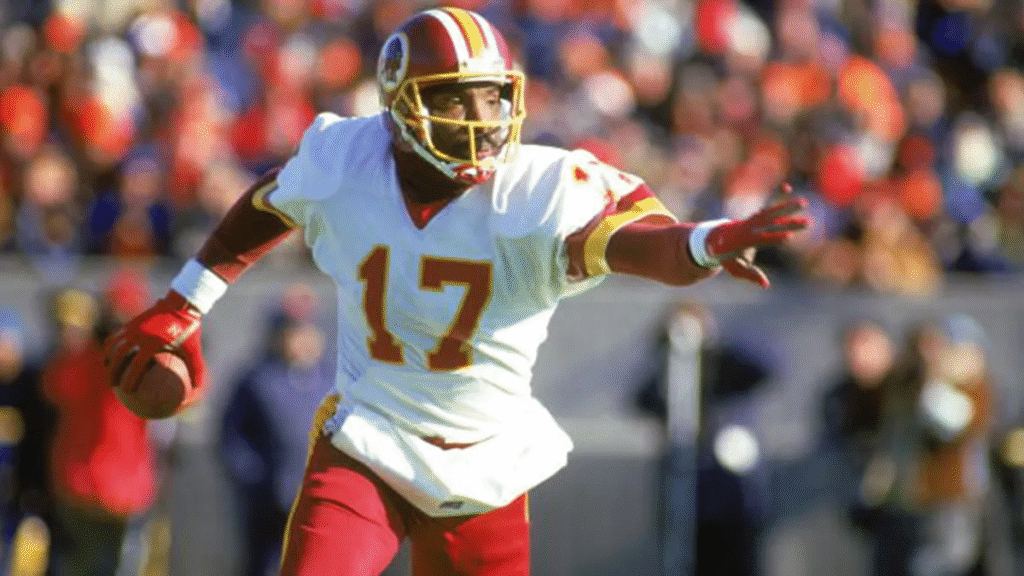
Williams’ performance in Super Bowl XXII against the Denver Broncos is one of the most iconic in NFL history, culminating in him becoming the first African-American starting quarterback to win the championship and be named MVP. Despite the historical pressure, his focus remained strictly on his job.
“I had a chance to sit down and just reminisce about where I come from and know now being an African-American quarterback in the Super Bowl for the first time ever. Those kinds of things resonated with me at that time,” Williams shares.
However, he intentionally dismissed the historical weight when it was time to play. “My thing was that I had to go out and play this game not as a Black quarterback but as the quarterback of the Washington Redskins and get the job done.”
Williams’ philosophy was about singular focus: “You can’t go in there with ‘black quarterback’ on your mind. Because it wasn’t about the black quarterback it was about THE QUARTERBACK for the Washington Redskins.” This mindset allowed him to deliver a record-setting second quarter where he threw four touchdowns, propelling Washington to a 42-10 victory.
Lamar Jackson: “Houdini” and All Instinct
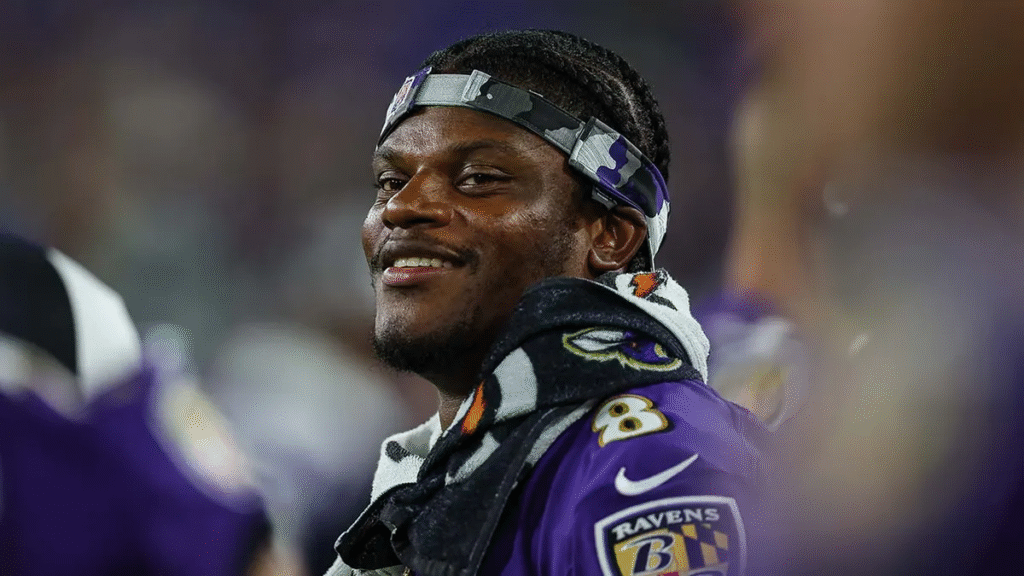
When discussing the current generation of mobile quarterbacks, Williams is emphatic that Baltimore Ravens QB Lamar Jackson defies comparison, even to Michael Vick.
“Lamar Jackson is Houdini and what Lamar Jackson does, is I don’t know if anybody can duplicate it; that’s not duplicatable,” Williams asserts.
He views Jackson’s scrambling ability as something that transcends coaching or practice. “Lamar Jackson is all instinct. When you see him run, it ain’t something that you practice, it’s something that just happens and I think Lamar Jackson is the ONLY guy that I know that has played in this league that plays like Lamar Jackson.”
The NFL’s NBA Icons: A Surprising Lineup
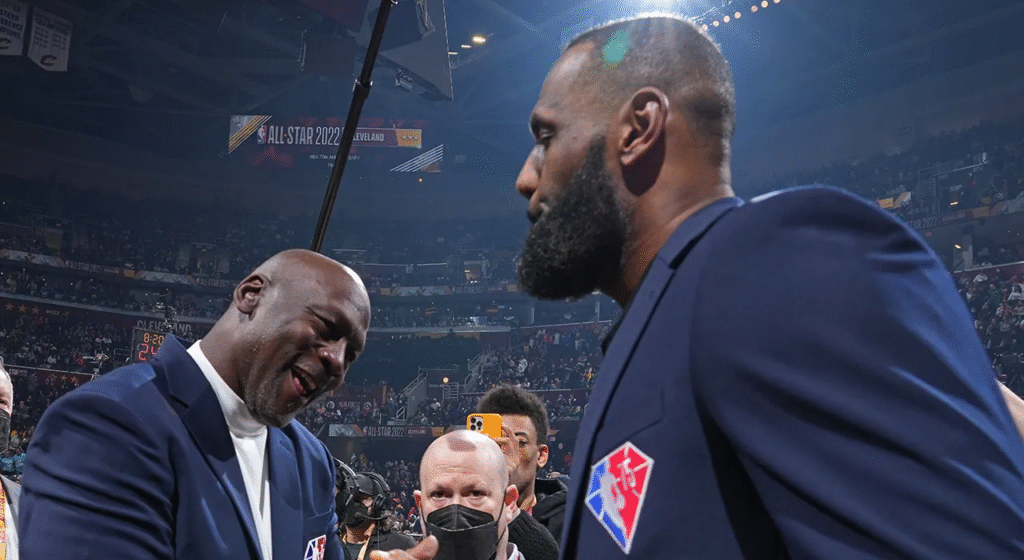
Williams tackled the challenge of comparing the NFL’s greatest to the NBA’s biggest names, Michael Jordan and LeBron James. He first noted the difficulty of separating the two NBA legends, saying, “You’re talking about two individuals who I think kind of had the same type of impact in the NBA.”
Ultimately, he offered a unique comparison for the modern NFL elite:
- NFL’s Michael Jordan → Lamar Jackson: “My Michael Jordan is going to be Lamar Jackson. That’s Michael Jordan!” Williams stated, underscoring Jackson’s unique, dominant artistry.
- NFL’s LeBron James → Aaron Rodgers: “And my LeBron James is going to Aaron Rodgers,” he concluded, likely comparing Rodgers’ enduring mental dominance and all-around high-level play to James’ versatility and longevity.
Credit Where It’s Due
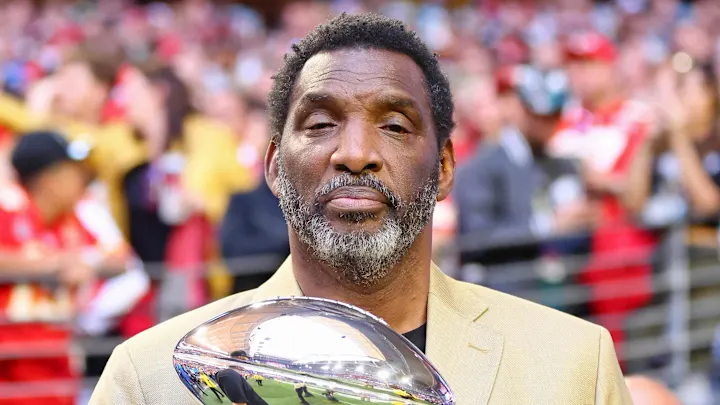
Despite his groundbreaking contributions to the game, Williams is humble about his place in history, though he acknowledges he may be overlooked by some.
“I’m not one to blow my horn, but when I talk to myself I tell myself no [I didn’t get enough credit]. But at the end of the day it is what it is. If they don’t give it to you… you can’t go out and take it,” Williams said.
However, he is confident that his legacy is undeniable: “I’m satisfied with what has transpired and it’s hard to think about the National Football League and the history of the National Football League and not think about Doug Williams. I don’t know how they can do that.”